Keycloak vs ZITADEL
Learn how Keycloak and ZITADEL differ in their key features like authentication, enterprise auth, security, user management and compliance, so you can decide which of these authentication providers is best for you.

Keycloak
ZITADEL

Feature Comparison
Both tools offer comparable feature coverage, with ZITADEL supporting 41 features and Keycloak supporting 38. Consider your specific needs regarding authentication, enterprise auth, security, user management and extensibility when making your decision. ZITADEL fully covers platform, and both tools fully cover machine to machine (m2m) authentication and branding and more.
Session idle and max lifespans and offline sessions can be adjusted to keep sessions alive for longer periods
Admins can view and revoke user and client sessions, sign out all sessions, and configure session lifespans in the admin console
The UI is internationalized. Administrators can enable multiple languages and users can choose their language at login or in the account/admin consoles
| Keycloak | ZITADEL | |
|---|---|---|
Session idle and max lifespans and offline sessions can be adjusted to keep sessions alive for longer periods | ||
Admins can view and revoke user and client sessions, sign out all sessions, and configure session lifespans in the admin console | ||
The UI is internationalized. Administrators can enable multiple languages and users can choose their language at login or in the account/admin consoles | ||
Compliance Comparison
ZITADEL offers significantly broader coverage than Keycloak, supporting 4 certifications and regulatory frameworks compared to 0 for Keycloak. Since Keycloak is open source and does not include compliance certifications, you’ll need to manage compliance yourself.
 CCPACompliant
 GDPRCompliant
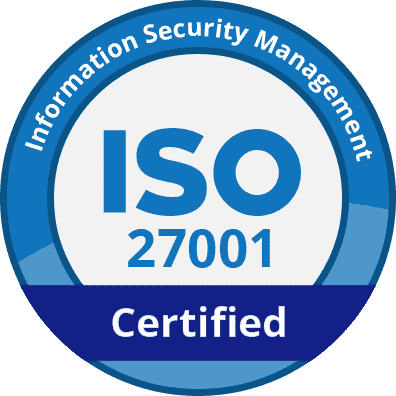 ISO 27001Certified
 OpenSSF Best PracticesCertified
| Compliance | Keycloak | ZITADEL |
|---|---|---|
| CCPACompliant | ||
| GDPRCompliant | ||
| ISO 27001Certified | ||
| OpenSSF Best PracticesCertified |
Data Residency Comparison
Where Keycloak and ZITADEL can keep your users' data, enterprise private cloud included. A self-hosted provider keeps it wherever you run it.
| Data residency | Keycloak | ZITADEL |
|---|---|---|
| EU data residency | ||
| Australia | ||
| European Union | ||
| Switzerland | ||
| United States |












 Descope —